AI Software Development Tools Worth Using in 2026
The market for AI software development tools has matured enough that meaningful differences between options exist and that the question of which tools to invest learning time in is worth thinking about carefully rather than defaulting to whatever is most talked about.
Two years ago the conversation was mostly about whether these tools would actually make a difference on real development work. That conversation is settled. The teams that have genuinely integrated AI development tools are producing more than comparable teams that have not. The tools work. The question in 2026 is which ones work for which types of work and how to build them into development practice in ways that improve outcomes rather than just changing how the work gets done.
What AI Development Tools Actually Are
- AI software development tools is a broad category that gets used to describe several distinct types of capability. Understanding the categories is more useful than treating them as one thing.
- AI coding assistants are the most discussed. Tools that integrate into the development environment and provide suggestions, completions and generated code as developers work. GitHub Copilot is the most widely adopted. Cursor has developed a strong following for its conversational approach. These tools are what most people picture when they think about AI tools for software development.
- AI test generation tools are less discussed but often more immediately valuable for teams where test coverage is consistently below where it should be. Tools that generate test suites for existing code rather than requiring developers to write tests from scratch. Diffblue Cover for Java. CodiumAI across multiple languages. The value is in changing the economics of test coverage rather than in replacing engineering judgment about what to test.
- AI code review tools that analyse code before human review reaches it. These catch a category of issues that pattern matching can identify consistently. Security vulnerabilities with known signatures. Code quality problems that appear reliably. Potential bugs that follow recognisable patterns. Filtering these from the human reviewer’s attention before they arrive lets reviewers focus on the architectural and design questions that require genuine judgment.
- AI documentation tools that generate and update documentation as code changes. The documentation drift problem in software development is not caused by developers who do not care about documentation. It is caused by documentation updates competing with feature development for time and consistently losing. Tools that generate documentation updates as code changes reduce that gap without requiring additional discipline.
- AI debugging assistance that helps narrow down the source of problems faster. Not tools that find bugs automatically but tools that help engineers reason through the debugging process more effectively. Suggesting what to look at based on error patterns. Identifying similar issues in the codebase. Helping structure the diagnostic approach for complex failures.
- Each of these categories addresses a different part of the development workflow and the tools worth adopting are those that address the specific bottlenecks in how a specific team works rather than the ones that address the most commonly discussed development challenges.
The Coding Assistants Worth Knowing
- GitHub Copilot sits at the top of adoption rankings for reasons that reflect genuine capability rather than just brand recognition. The integration into VS Code and other major editors is seamless enough that it becomes part of how developers work rather than a tool they consult separately. The quality of suggestions on standard patterns in commonly used languages and frameworks is high enough that experienced developers find them useful rather than just interesting.
- The nuance worth knowing is where Copilot performs best and where it requires more careful evaluation. Standard implementations of well understood operations. Boilerplate that follows known patterns. Common algorithms and data structures. These are areas where Copilot suggestions are reliable enough that review is quick. Highly specific domain logic. Unusual architectural patterns. Requirements that are implicit rather than explicit. These produce output that requires more careful assessment.
- The enterprise tier adds features that matter for team adoption rather than individual use. Code referencing controls that provide visibility into what training data suggestions draw from. Security vulnerability filtering that identifies insecure patterns in suggestions before they reach code review. These address real concerns that engineering leadership has when evaluating AI coding tools at the organisational level.
- Cursor takes a different approach that appeals to engineers who want AI more deeply integrated into how they work rather than as a suggestion layer alongside their existing workflow. The conversational interface that allows discussing the codebase while working in it produces a qualitatively different kind of assistance. An engineer who needs to understand how a complex system works before modifying it, who wants to explore architectural implications before implementing them or who needs changes that span multiple files gets more from Cursor’s approach than from suggestion-based tools.
- The engineers who have adopted Cursor tend to describe it as changing how they interact with code rather than making existing interactions faster. That is a more significant claim than productivity improvement and it holds up for engineers whose work involves significant code understanding and exploration alongside code production.
- Tabnine serves teams where code privacy is a genuine technical and legal requirement rather than a general preference. The option to run models locally without sending code to external servers enables AI development tool adoption where cloud-based alternatives are not appropriate regardless of their capability advantage. For healthcare organisations with patient data considerations, financial services businesses with regulatory constraints or defence and government work with classification requirements Tabnine makes AI coding assistance possible where other options are excluded.
- Amazon CodeWhisperer delivers specific value for teams whose work is primarily within the AWS ecosystem. The AWS specific suggestions reflect current service APIs and current best practices in ways that general purpose tools whose training data may not reflect the most recent AWS developments cannot match. The security scanning that identifies potential vulnerabilities during coding rather than in separate security review addresses a real quality concern in the same environment where the vulnerability matters most.
The Test Generation Tools Worth Knowing
- AI test generation is where AI software development tools deliver some of their most underappreciated value, specifically for teams where test coverage is a persistent challenge.
- Diffblue Cover generates unit tests for existing Java code automatically. The practical value for Java development teams with existing codebases that lack adequate coverage is significant. Adding tests to existing code is the test writing task that gets deferred most consistently because it produces no immediately visible output and competes with feature development for developer time. Diffblue Cover generates reasonable test suites for existing Java functions in the time it would take a developer to write a handful manually.
- CodiumAI analyses existing code across multiple languages and generates test suites with a focus on identifying edge cases that manual test writing under deadline pressure consistently misses. The additional coverage on implicit edge cases rather than just the obvious happy path cases addresses a specific quality gap. The combination of automated test generation and edge case focus produces better coverage than either manual test writing or simpler automated generation alone.
- The important caveat with both tools is that generated tests need human review to confirm they are testing the right things rather than just verifying that the code does what it does. When both the implementation and the tests are generated from the same specification, tests can accurately verify implementation behaviour without verifying that the implementation is actually correct in the business context. Human judgment about what correct behaviour looks like in specific business scenarios is the check that AI generated tests require.
The Code Review Tools Worth Knowing
- AI code review tools add value between code authoring and human code review. Not as a replacement for human review but as a filter that catches the issues pattern matching can identify reliably before they consume human reviewer attention.
- SonarQube with its AI enhanced analysis identifies code quality issues, potential bugs and security vulnerabilities consistently across codebases. The value compounds across large codebases where manual review of everything at the level of detail needed to catch these issues is not realistic. The issues that SonarQube catches reliably are not the issues that require engineering judgment to identify. They are the ones where the pattern is clear enough that automation is more consistent than human attention spread across a large review surface.
- Semgrep provides customisable static analysis that can be configured with rules specific to the security and quality concerns most relevant to the specific codebase. The ability to write custom rules that reflect the team’s specific standards and the specific vulnerability patterns they are most concerned about makes it more targeted than generic analysis tools. For teams that have specific compliance or security requirements, custom Semgrep rules are a way to enforce those requirements automatically across all code rather than through reviewer vigilance.
- The security dimension of AI code review tools deserves specific attention in the context of AI generated code. Generative AI systems learn from large volumes of code including code with security vulnerabilities. The patterns that produce those vulnerabilities appear in training data alongside patterns that produce secure code. Generated code can contain security vulnerabilities that are not obvious from standard code review. Static analysis tools configured to look for the vulnerability patterns associated with AI generation provide a specific layer of security review that catches what general review misses.
The Documentation Tools Worth Knowing
- Documentation drift is one of the most persistent problems in software development and one where AI software development tools are genuinely helpful rather than just promising.
- Mintlify and similar documentation generation tools produce documentation from existing code that describes what it does. The accuracy for straightforward code is generally good. The depth of insight about design intent and non-obvious constraints is more variable. The practical value is in generating a documentation starting point that developers review and extend rather than in producing finished documentation that does not need human attention.
- The more consistently useful application is documentation that updates as code changes rather than documentation that is generated once and then falls behind. Tools that integrate into the development workflow and generate documentation updates when code is modified reduce the documentation drift problem more effectively than those that require a separate documentation generation step.
What Changes in How Teams Work
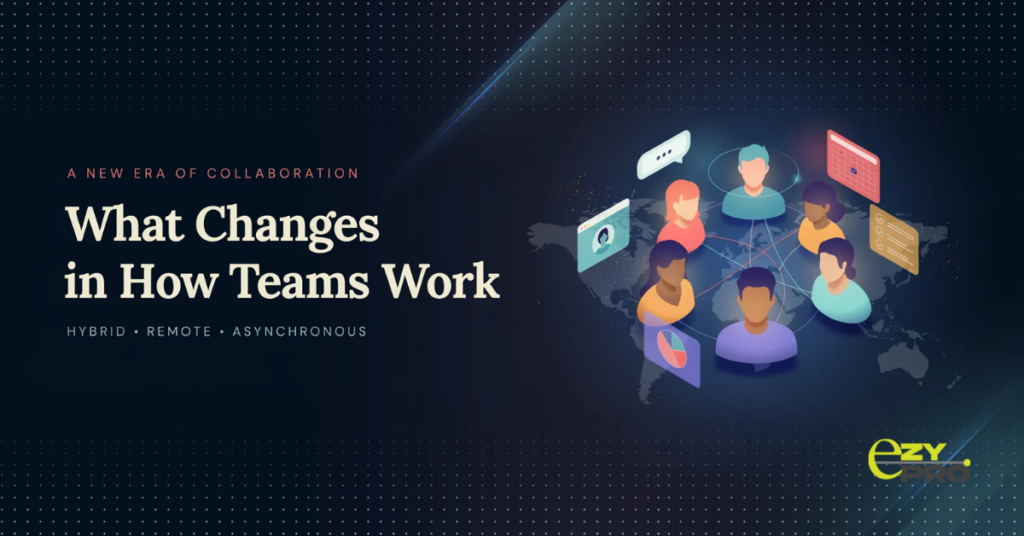
- The most important thing about AI software development tools is not which specific tools to adopt. It is how adoption changes what development practice needs to look like to produce good outcomes.
- Review practices need to account for how AI generated code fails. Standard code review was designed for code that human engineers wrote. AI generated code fails in ways that are systematically different. Code that addresses the literal specification rather than the actual requirement. Code that handles the common case and misses the edge cases that were implied rather than stated. Code that introduces security vulnerability patterns associated with AI generation. Review that specifically examines these failure modes catches what standard review misses.
- Specification quality matters more not less. The output of AI coding tools is bounded by the quality of the input. Precise and complete descriptions of what needs to be built produce reliable AI output. Vague descriptions produce plausible output that addresses a slightly different problem. This makes clear specification thinking more important rather than less when AI tools are being used.
- Measurement of outcomes rather than adoption is what reveals whether AI tools are actually producing better software. Defect rates. Post delivery rework. Production issue rates. These metrics before and after AI tool adoption reveal whether the tools are improving what gets built. Feeling more productive while building software that has the same defect rate as before is not the improvement AI tools should be producing.
- EZYPRO builds software development capability for businesses that want AI development tools to produce genuinely better outcomes. Bringing the engineering judgment to apply specific tools where they add real value for specific types of development work. Building the review practices and specification quality that make AI assistance produce better software rather than faster production of software that still has the same problems.
Questions Worth Asking
How do we decide which AI development tools to invest learning time in rather than trying everything?
- Start from where your team’s time actually goes that does not require the highest level of engineering judgment. Boilerplate. Standard pattern implementation. Test writing. Documentation updates. The tools that address your specific time sinks deliver more value than tools addressing general development challenges that may not be where your team’s hours actually disappear.
How do we build the review practices that account for AI generated code without creating overhead that offsets the productivity gain?
- Add specific review considerations for AI generated code rather than a separate review layer. Does it address the actual requirement or the stated one. Does it handle implicit edge cases? Does it introduce security patterns worth specific attention? These questions applied efficiently as part of existing review produce better outcomes than a separate AI code review process that slows delivery without proportional quality improvement.
How do we know if our AI tool adoption is producing better software or just producing software faster with the same quality issues?
- Measure what actually matters before adoption so you have a baseline to compare against after. Defect rates. Proportion of delivered code requiring post delivery correction. Production issue frequency. These metrics reveal whether AI tool adoption is genuinely improving what gets built rather than just changing how it is produced.
